Little did I know it then, but a letter to my mother my senior year of college has set me on a path that will inevitably change my life.
It was 1995. Being a naive college grad, I was eager for what was next in life, yet I was scared to face reality at the same time. The letter I wrote to my mom that year captured my restlessness, my wanderlust, and my questions about how I was going to live my life now that I had satisfied all the prescribed obligations of early adulthood. Now that I was free to choose what I wanted to do with my time, traveling and having new adventures was much more appealing than going to work. Settling down to a cubicle? Really? Ugh, boring! I was no stranger to travel having spent the previous summer studying in Denmark and touring Europe in my spare time. I just didn’t know how to make my dream of traveling the world happen.

own career break?
So, I did what any broke 22 year-old would do – I went to graduate school and then got a regular corporate job.
Jump ahead 13 years through graduation and student loans, a move, a year of volunteering, a career change to the public sector, and numerous awesome vacations where I couldn’t help but want just one more day before coming home. My trip and the desire to explore the world would always come to mind during those vacations, and I would usually think it was just a crazy dream or that it couldn’t happen now – I had other things to do.
After being downsized early in 2008, I faced a crossroads. Would I strike out on my own and start the business I’d been thinking about, would I travel, or would I try to find another job? The economy was going south and I had a mortgage. Being fiscally responsible was what I thought I should do even though my heart was on the road somewhere in Mongolia. I made the decision to start the business and look for (and a year later, I ultimately found) a full-time job so I could keep paying the mortgage.
During that year, it felt like I was being slapped in the face every day to know I now had the time and opportunity to travel long term, but felt stuck with my current situation. I thought I couldn’t spend the money I did have on anything other than necessities to keep myself, and the lifestyle choices I had made, afloat.
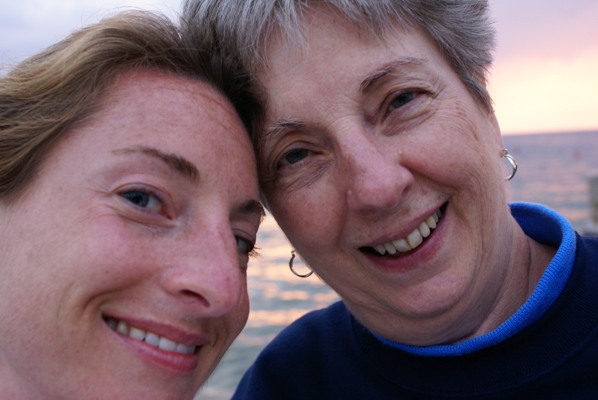
Fast forward through another 3 years of cubicle-land and a broken heart after being turned down for the fellowship I desperately wanted. I remember the exact moment I was on the phone with my mom to tell her the news, tears streaming down my face. The words came out of my mouth a bit flippantly, but nonetheless, I voiced what I had dreamed about since 1995.
“Maybe I should just go on my trip.”
Her response? “Yes, you should.”
And that was it – everything clicked and the light bulb came on. It wasn’t that I was looking for permission. It was that I had finally stopped thinking about my trip as an impossibility or a pipe dream. I had finally decided I could really do it and realized it was more important to me than anything else.
So, the trip I’ve been thinking about taking since writing that letter in 1995 launched in February of 2013. Two unsolicited job offers were even turned down the year prior to leaving because I knew I couldn’t put it off any longer.
The enormity of my trip was an eye-opener and made me reconsider more than once. But I had already made the one decision that really counts.
I decided to GO.
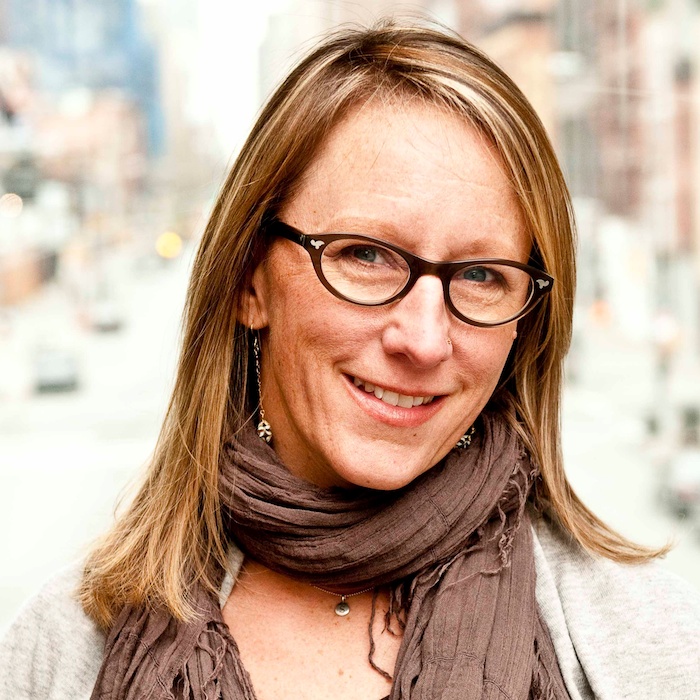
Beth Fenger took off on her own in February of 2013 for her round the world trip, visiting Patagonia, Cambodia, Mongolia, India, Turkey, Jordan, and Namibia. She’s also an amateur photographer, zealous wine taster, obsessive trail runner, avid camper, adrenaline junkie, and finds her current career calling in the non-profit sector. She can be found toting her camera, tent, and corkscrew, while running trails in various US cities and on Twitter and Facebook.